
A short reply. A friend who seemed a little off. A piece of feedback that was meant to be helpful. And suddenly your whole body floods with a pain that feels far too big for what just happened. If you live with ADHD, you may know this wave intimately. It has a name.
What RSD actually feels like
People describe RSD in physical terms: a punch to the gut, a flush of heat, a crushing weight, the urge to disappear. It arrives fast and feels enormous — often within seconds of a trigger that may seem small to someone else.
And the trigger doesn't have to be real rejection. A delayed text, a neutral facial expression, or imagining you've disappointed someone can set it off just as hard. The brain reacts to the perception of rejection as if it were certain.
This is why RSD is so isolating. From the outside it can look like overreacting. From the inside, it's genuine pain you didn't choose and can't easily switch off.
Why ADHD brains feel rejection so hard
Two things stack together. First, ADHD affects emotional regulation — the brain's ability to slow and size emotions appropriately. So feelings show up faster, hit harder, and linger longer. Emotion isn't a side effect of ADHD; it's part of how the wiring works.
Second, many people with ADHD grow up hearing a steady stream of correction: try harder, why can't you just, you're too much, you're not enough. Over years, that can train the brain to scan for disapproval and brace for it everywhere. RSD lands on already-tender ground.
None of this means you're fragile or dramatic. It means your emotional system runs hot and your history made rejection feel dangerous. Both are understandable. Both can be worked with. If you're still piecing your patterns together, our overviews of signs of ADHD in adults and ADHD in women may help things click.
How RSD quietly shapes your life
Because the pain is so big, the brain works hard to avoid ever feeling it. That avoidance shows up in patterns that don't look like RSD on the surface:
- People-pleasing — saying yes to everything so no one is ever disappointed in you.
- Perfectionism — over-preparing or freezing because anything less than flawless feels like exposure to criticism.
- Avoidance — dodging feedback, hard conversations, or new things where you might fail.
- Sudden withdrawal — pulling away from people the instant you sense possible rejection.
- A flash of anger — for some, the pain comes out as defensiveness or irritation rather than hurt.
Recognizing these as RSD strategies — not personality flaws — is often the first relief. You're not "too sensitive" or "too needy." You've been managing a lot of pain, quietly.

How to soften RSD in the moment
You can't stop the wave from coming, but you can change what you do while it passes. The aim isn't to feel nothing — it's to avoid making a permanent decision from a temporary flood.
- Name it. Say to yourself, "This is RSD." Labeling the wave creates a sliver of distance between you and the pain, and reminds you it has a known shape.
- Wait before you act. RSD makes you want to reply, apologize, quit, or lash out immediately. Almost nothing needs an answer in that first surge. Let it crest first.
- Separate feeling from fact. Ask: what actually happened, versus what my brain is telling me it means? Often the gap between the two is enormous.
- Soothe the body. A wave is physical, so meet it physically — slow exhales, cold water, a short walk, movement. You're helping your nervous system come down.
- Reach for a trusted person. Not to confirm the fear, but for a reality check from someone who sees you clearly when you can't.
When RSD stacks on top of an already-stretched day, it can tip you into a wider overwhelm spiral — so protecting your baseline energy and routines makes the waves more manageable too.
When to get more support
If RSD is steering major decisions — what you say, who you avoid, jobs or relationships you walk away from — that's a sign to bring in help. RSD is not a formal diagnosis, but the pain is real and treatable, and you don't have to figure it out alone.
A qualified professional can help you tell RSD apart from other things, build coping tools, and explore whether treatment for underlying ADHD eases the emotional intensity. There's also real value in simply being understood by people who get it. If you're early in this journey, ADHD help for adults is a good next read.
And while RSD isn't something a planner fixes, building steadier days does take pressure off an overloaded emotional system. That's the gentle, shame-free idea behind the Anti-Tomorrow Plan — small wins that quietly rebuild self-trust.
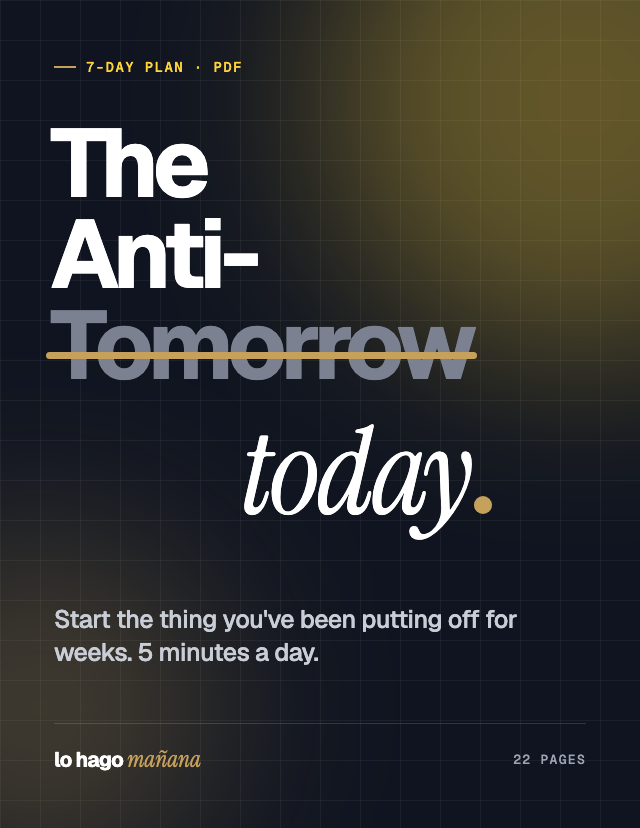
The Anti-Tomorrow Plan
RSD feeds on the belief that you keep failing. This plan stacks small, doable wins over a week — gentle proof, in your own handwriting, that you can rely on yourself.
Get it for $9.99 →Frequently asked questions
What is rejection sensitive dysphoria?
Is RSD a real diagnosis?
Why do people with ADHD feel rejection so intensely?
How can I cope with rejection sensitive dysphoria?
Lo Hago Mañana creates educational tools and content for people with ADHD. This article is for information only and is not medical advice, diagnosis, or treatment. If you think you may have ADHD, please consult a qualified healthcare professional.